Review: Beautiful Daisy Flowers Redwork Design
As an embroidery designer who spends countless hours digitizing and testing files for commercial use, I have developed a keen eye for what makes a machine embroidery design truly viable for small business owners. We are not just looking for pretty pictures; we need reliable, versatile, and marketable assets. Recently, I took a close look at the Beautiful Daisy Flowers Redwork Design available on Creative Fabrica. This review stems from my experience evaluating it for real-world applications, ranging from custom apparel to boutique home decor.
First Impressions and Visual Appeal
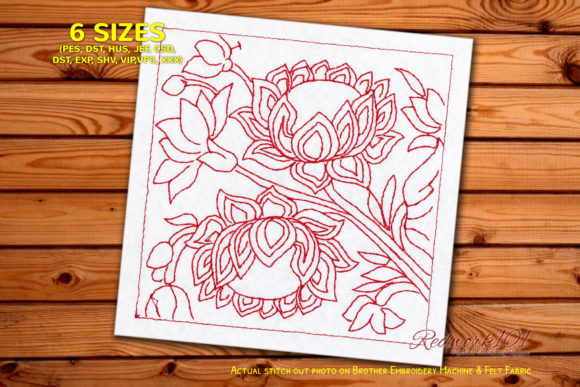
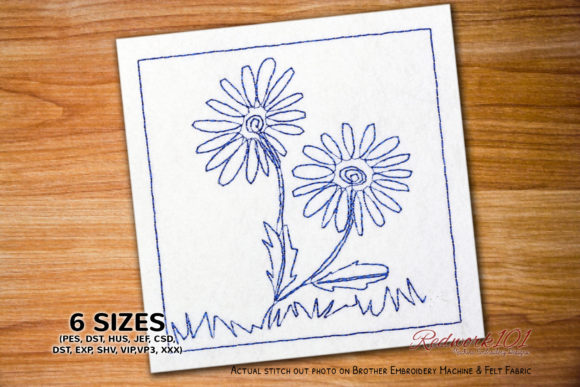
The immediate standout feature of this design is its classic redwork aesthetic. Redwork has seen a massive resurgence in the handmade community because it offers a timeless, vintage charm that appeals to a broad demographic. The Beautiful Daisy Flowers Redwork Design captures this mood perfectly. It feels nostalgic yet fresh, making it an excellent choice for creators who want to tap into the cottagecore or farmhouse trends without sacrificing modern cleanliness in their stitching.
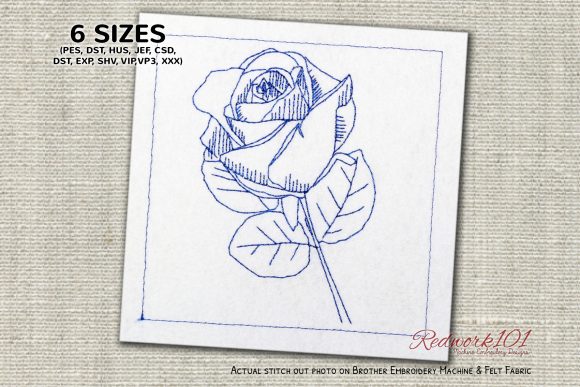
The line work appears clean and deliberate. In redwork, the beauty lies in the simplicity of the running stitch outlines. There is no heavy fill or complex satin work to worry about, which significantly reduces the risk of puckering on lightweight fabrics. This simplicity is a major advantage for those of us who produce high volumes of handmade products. The design belongs firmly in the Single Flowers category, which means it is modular. You can use it as a standalone statement piece or cluster multiple instances to create a larger border or pattern.
Practical Application in Commercial Projects
When I consider adding a new embroidery file to my library, I ask myself: where will this sell? The versatility of this daisy motif is impressive. Here is how I envision using it in a professional setting:
- Tote Bag Design: The open nature of redwork allows the texture of canvas or linen tote bags to show through. It creates a sophisticated, understated look that commands a higher price point than busy, filled designs.
- Sweatshirt Embroidery: Placing this design on the left chest of a crewneck sweatshirt creates a minimalist, branded look. It is subtle enough for everyday wear but distinctive enough to be recognized as a custom apparel piece.
- Kitchen Towels and Aprons: Redwork traditionally shines in kitchen textiles. A single daisy on a hemstitched towel or the bib of an apron adds a personal touch that buyers love for housewarming gifts.
- Nursery Decor: While red is traditional, this design works beautifully in soft pastels or monochrome threads for baby items. It fits well on pillow covers or blanket corners, provided the scale is appropriate for the item.
For Etsy sellers and craft fair vendors, this type of design asset is crucial. It allows for rapid production because the stitch count is generally lower than filled designs. This efficiency translates directly to better profit margins on finished product sales.
Technical Considerations and Stitching Performance
While the design is straightforward, successful execution requires attention to detail. The product description notes that "The Box Stitch shown in the picture is optional." This is a critical detail for users. In many digital previews, designers include a bounding box to show the hoop area, but it is not part of the actual embroidery data unless specified. Always verify this in your software before loading the file onto your machine.
Furthermore, the description mentions that "The color of the outer Box is a different color in most of the designs unless it is part of the design itself, you can skip the." This implies that any framing elements seen in promotional images may be for display purposes only. As a professional, I always recommend importing the digital embroidery file into your editing software first. Check if there are any unintended jump stitches or trim commands associated with these optional elements.
Here are specific technical notes for optimal results:
- Fabric Choice: Redwork looks best on stable, woven fabrics like cotton, linen, or denim. Avoid highly stretchy knits unless you use a very sturdy cut-away stabilizer, as the running stitches can distort if the fabric shifts.
- Thread Colors: Traditional redwork uses red thread on white fabric, but do not limit yourself. Try navy on cream, forest green on oatmeal, or even black on white for a modern graphic look. High contrast is key to making the lines pop.
- Stitch Density: Since this is primarily outline-based, ensure your tension is balanced. Loose tension will make the lines look sloppy, while too-tight tension can cause the fabric to pucker between the stitches.
- Hoop Size: Although the exact dimensions are not listed in the brief description, single flower designs typically fit in 4x4 or 5x7 hoops. Always confirm the specific hoop size compatibility on the Creative Fabrica embroidery product page before purchasing to ensure it fits your machine’s capabilities.
Enhancing Product Value and Brand Consistency
Using high-quality, cohesive designs like the Beautiful Daisy Flowers Redwork Design helps build brand trust. When customers see consistent, clean stitching across your personalized gift offerings, they perceive higher value. This design is particularly effective for creating themed collections. For example, you could pair this daisy with other botanical redwork designs to create a spring collection featuring tote bags, caps, and patches.
For those selling embroidered patch products, this design is ideal. The clear outlines translate well to felt or twill backings. When photographing these items for your online shop, the simplicity of redwork allows for clean, bright lighting setups that highlight the texture of the thread against the fabric. This visual appeal drives customer engagement and clicks.
Final Verdict and Best Practices
Is the Beautiful Daisy Flowers Redwork Design worth downloading? For embroidery designers and small business owners looking for versatile, low-risk, and high-appeal motifs, the answer is yes. It serves as an excellent foundation for various commercial embroidery projects. However, success depends on your preparation.
Before launching any product line with this design, follow these steps:
- Test on Scrap Fabric: Always run a test stitch-out on the exact fabric you plan to sell. This helps you identify any potential pulling or distortion issues.
- Check Licensing: Review the license terms on the Creative Fabrica product page. Ensure that commercial use is permitted for physical finished goods if you plan to sell them.
- Mockup Comparison: Create printable mockup images showing the design on both light and dark fabrics to help customers visualize the final product.
- Inspect Details: Zoom in on your stitched sample. Ensure the start and end points of the running stitches are secure and trimmed neatly.
In conclusion, this design offers a blend of traditional charm and modern utility. It respects the crafter’s time by being efficient to stitch while delivering a polished, professional look that resonates with buyers. Whether you are decorating custom apparel or creating heirloom-quality home goods, this daisy design is a reliable addition to your digital toolkit.