Libra Plants Redwork: A Designer’s Review for Craft Fairs
As an embroidery designer who has spent countless weekends behind a booth table, I know that not every machine embroidery design translates into a bestseller. When I first loaded the Libra Plants Redwork file onto my machine, I was looking for more than just aesthetic appeal. I was evaluating its potential as a high-converting craft fair product. This review breaks down how this specific design performs in the real world of handmade sales, focusing on what matters most to Etsy sellers and boutique makers: visual impact, production efficiency, and customer engagement.
First Impressions and Visual Appeal
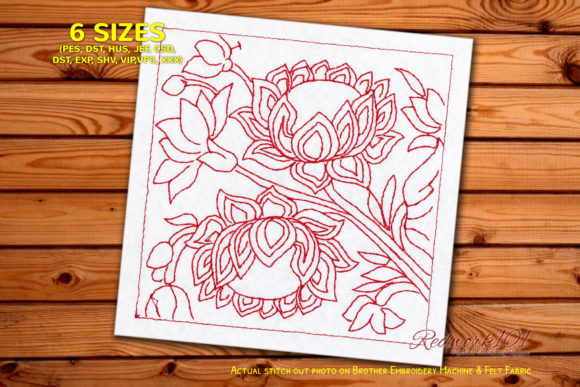
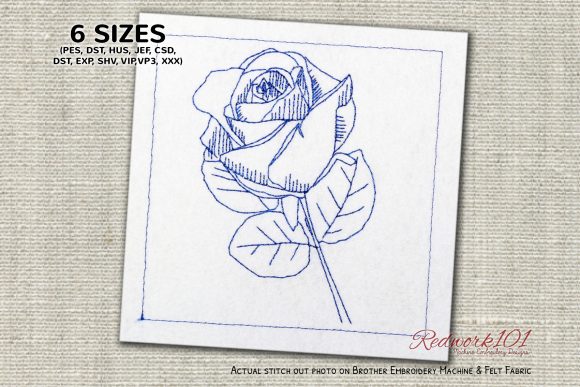
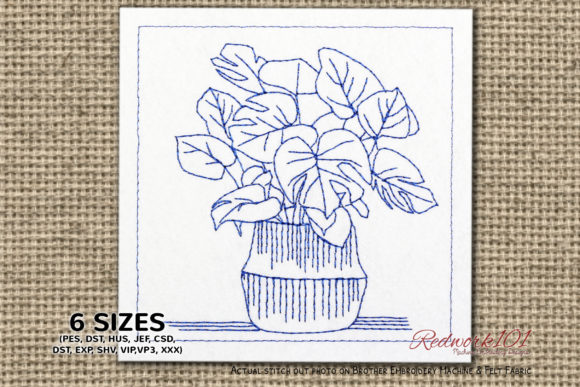
The immediate impression of Libra Plants Redwork is one of understated elegance mixed with rustic charm. The term "Redwork" traditionally refers to monochromatic embroidery, usually in red thread on white fabric, which evokes a strong farmhouse and heritage vibe. However, this design modernizes that concept. It feels minimal yet decorative, striking a balance that appeals to buyers looking for something premium but approachable. Because it falls under the Single Flowers category, it avoids the clutter often found in complex bouquets, making it easier for the eye to process at a glance.
In a busy craft fair environment, clarity is king. Customers walking past your booth have seconds to decide if they should stop. A design like this, with its clean lines and optional box stitch border, stands out because it is not visually noisy. It reads as intentional and sophisticated. Whether you are aiming for a cute aesthetic or a more serious artisanal look, this design adapts well. It does not scream for attention; instead, it invites closer inspection, which is exactly what you want when selling high-quality handmade products.
Versatility Across Product Lines
One of the strongest assets of Libra Plants Redwork is its versatility. As a designer, I always look for files that can be applied to multiple items without losing integrity. Here is how it performs across common market items:
- Tote Bags and Market Bags: This is arguably the best application. The design works beautifully as a central focal point on canvas totes. The simplicity of the flower allows the texture of the bag to shine through, creating a chic, eco-friendly vibe that sells well to younger demographics.
- Tea Towels and Aprons: For kitchen textiles, the redwork style is timeless. On a flour sack towel, the design looks authentic and heirloom-quality. For aprons, placing it on the bib or pocket adds a professional touch that elevates the perceived value of the apron embroidery.
- Embroidered Patches: If you create iron-on or sew-on patches, this design is ideal. Its contained shape means it cuts cleanly. Just ensure you use a tight satin stitch or dense fill if required by your cutter, though redwork typically relies on run stitches which may need careful handling during patch creation.
- Caps and Hats: Curved surfaces are tricky. Because this design is relatively flat and not overly dense, it sits well on the front panel of a cap without causing puckering, provided you use the correct stabilizer.
Production Practicality for Small Shops
For any Etsy seller or small shop owner, time is money. Batch production is essential for profitability. Libra Plants Redwork appears to be designed with efficiency in mind. The description notes that the outer Box Stitch is optional and that color directions can be skipped if the box is not part of the core design. This flexibility is crucial. It means you can streamline your workflow by removing unnecessary stops or color changes if you prefer a cleaner look.
When preparing for a weekend market, you need designs that are repeatable. This file seems to offer that consistency. However, always check the stitch density before running a full batch. While redwork is generally lighter on thread usage, you must ensure the design holds up on various fabrics. Test it on a scrap piece of your intended material—whether it is a thick denim tote or a thin cotton pillow cover—to confirm that the fabric does not show through the stitches excessively.
Technical Considerations and Careful Use
While this design is user-friendly, there are technical nuances to consider. Since the prompt mentions that the color of the outer box varies, you must pay attention to thread colors. Contrast is key. If you are embroidering on dark fabric, standard red thread may disappear. In such cases, consider using a brighter variant or a contrasting color that maintains the spirit of the design while ensuring visibility. Always verify the hoop size compatibility with your machine. Although specific dimensions were not provided in the brief, single flower designs typically fit within standard 4x4 or 5x7 hoops, but you must confirm this in the actual digital embroidery file metadata before purchasing or producing.
Another critical factor is the stabilizer. For textured towels or stretchy fabrics like those used in some tote bags, a cut-away stabilizer might be necessary to prevent distortion over time. For woven cottons used in patches or pillow covers, a tear-away may suffice. Neglecting this step can ruin the crisp lines that make redwork so appealing. Additionally, be cautious with tiny details. If the design includes fine stems or small leaves, ensure your needle is sharp and your tension is balanced to avoid thread breaks or bird nests.
Marketing and Brand Consistency
Beyond the stitching, consider how Libra Plants Redwork supports your brand. A cohesive booth display relies on consistent visual language. If your brand is built on rustic, handmade quality, this design reinforces that narrative. It photographs exceptionally well for online listings because the high contrast of redwork creates clear, sharp images that pop on mobile screens. Creating a printable mockup or using digital design assets to showcase this pattern on various products can significantly boost click-through rates on platforms like Etsy.
Furthermore, this design serves as an excellent entry point for customers who might be intimidated by larger, more expensive pieces. A small pouch or a single embroidered handkerchief featuring this flower can act as an impulse buy, drawing customers into your booth where they might then purchase higher-ticket items like quilted pillows or custom apparel. It enhances buyer engagement by offering a tangible piece of art that feels personal and crafted.
Final Designer Notes
Before you commit to producing a large inventory, take these final steps. First, always test the design on scrap fabric that matches your final product. Check the spacing between elements to ensure no threads overlap incorrectly. Second, confirm commercial licensing. The description provided does not explicitly state license terms, so you must verify with the creator whether you can sell finished products made with this embroidery file. Never assume a file is free for commercial use unless stated.
In conclusion, Libra Plants Redwork is a strong contender for any embroidery business looking to expand its small shop product line. It balances aesthetic appeal with production practicality, offering a versatile solution for tote bags, kitchen linens, and gifts. By paying attention to fabric choice, stabilizer selection, and thread contrast, you can transform this digital asset into a physical product that resonates with customers and drives sales at your next craft fair.