Box Truck Bluework: A Designer’s Review for Brand Merch
As an embroidery designer who has spent years digitizing logos and testing files on everything from heavy denim to delicate linen, I approach every new machine embroidery design with a critical eye. It is not just about whether the image looks cute on a screen; it is about how that design performs in the real world of small business merchandise. Today, I am reviewing Box Truck Bluework, a Transportation-themed design that promises versatility for both casual wear and professional trucking outfits. For shop owners, Etsy sellers, and boutique creators, understanding the practical application of this file is crucial before you commit to production runs.
First Impressions and Visual Personality
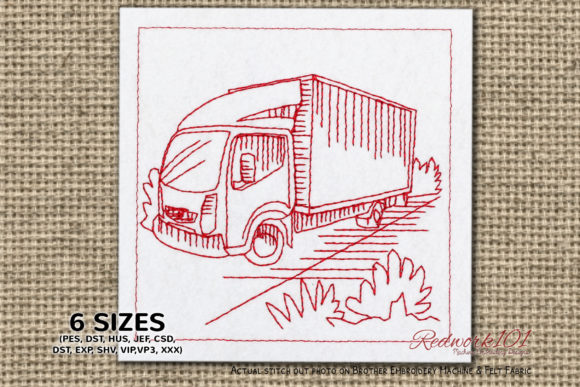
The immediate appeal of Box Truck Bluework lies in its balanced aesthetic. The title suggests a "bluework" style, which often implies a clean, classic, or perhaps nautical-inspired color palette, though the description notes that the outer box color varies. This flexibility is a significant advantage for brand identity. Whether your client runs a rustic bakery, a modern creative studio, or a logistics company, the design feels professional yet approachable. It does not scream "corporate stiff," nor does it feel overly childish. Instead, it strikes a chord of reliable craftsmanship.
The optional Stitch Box mentioned in the product details is a thoughtful inclusion. In commercial embroidery, having elements that can be toggled on or off allows for greater customization. You might choose the boxed version for a structured patch but remove it for a cleaner look on a curved cap front. This adaptability makes the digital embroidery file a valuable asset in your library, capable of serving multiple clients with different branding needs.
Real-World Applications for Small Business Merch
When evaluating a design for small business merch, I always ask: where will this live? Box Truck Bluework shines in several key areas:
- Embroidered Patches: This is arguably the strongest use case. The defined lines and potential for a border (the optional box) make it ideal for cut-and-sew patches. These can be sold as standalone products or added to jackets and bags, increasing the perceived value of the finished product.
- Staff Uniforms and Aprons: For cafes, florists, or local delivery services, this design works beautifully on aprons. The transportation theme subtly hints at delivery or service without being overt. Ensure you check the stitch density; if it is too high, it may pucker lightweight apron fabric.
- Cap Embroidery: Placing this on the front panel of a baseball cap requires precision. If the design includes fine details, they must hold up at a smaller scale. The bluework style typically relies on contrast, which helps visibility on structured caps.
- Tote Bag Design: Canvas totes are a staple for handmade brands. A centered Box Truck Bluework logo adds a professional touch to packaging gifts or selling branded carryalls. The durability of embroidery ensures the logo survives frequent washing, unlike printed ink.
Technical Considerations and Production Notes
While the visual appeal is strong, technical execution determines success. As a designer, I advise you to treat this embroidery file with careful preparation. Since the product description mentions that the color of the outer box is different in some versions, you must verify your thread colors against your specific fabric choice. High contrast is essential for readability, especially if the design is scaled down.
Here are my practical notes for production:
- Test in Black and White First: Before committing to colored threads, stitch out the design in black thread on white fabric. This reveals the structural integrity of the digitizing. Are there jumps that are too long? Are the satin stitches too wide?
- Check Hoop Size Compatibility: The description does not specify exact dimensions. You must confirm the hoop size required. If it is a 4x4 inch design, it fits most standard home machines. If it is larger, you may need a multi-needle commercial setup.
- Stabilizer Selection: For textured fabrics like towels or heavy canvas, use a cut-away stabilizer to prevent distortion. For stable woven shirts, a tear-away may suffice. Always test on the actual fabric texture you intend to use.
- Small Patch Sizes: If you plan to shrink this for a chest pocket logo or a small tag, inspect the lettering or fine lines. Tiny details can merge together if the stitch count is too high for the size. Simplify if necessary.
Impact on Brand Identity and Customer Trust
In the world of custom apparel and handmade goods, consistency is key. Using a well-digitized design like Box Truck Bluework contributes to a cohesive brand identity. When customers see a crisp, professional embroidery on a tote bag or a staff member's shirt, it signals quality. It tells them that you care about the details. This builds trust and encourages repeat business.
Furthermore, embroidered items have a longer lifespan than printed ones. They do not crack or fade easily. This durability enhances the perceived value of your design assets. A customer is more likely to keep and use a tote bag with a sturdy embroidered logo, turning them into a walking advertisement for your brand. For Etsy sellers, offering embroidered options can differentiate your shop from competitors who only offer print-on-demand items.
Where to Use Caution
Despite its versatility, there are scenarios where Box Truck Bluework might need adjustment. Avoid placing complex versions of this design on highly stretchy fabrics like thin jersey knits without proper stabilization, as the stitches may cause puckering. Also, be cautious with dark uniforms if the bluework tones are light; ensure you have a sufficient underlay or choose thread colors that pop against the background. If the design includes tiny text, verify its legibility at the intended size. Blurry or merged letters look unprofessional and can harm your brand’s reputation.
Final Verdict for Creators
Box Truck Bluework is a solid addition to any embroidery designer’s portfolio, particularly for those serving clients in the transportation, logistics, or local service sectors. Its optional elements provide flexibility, and its aesthetic bridges the gap between casual and professional. However, success lies in the preparation. Always create a printable mockup for client approval, test on real fabric, and confirm commercial licensing terms before selling the finished product. By paying attention to stitch density, thread contrast, and placement, you can transform this digital file into a powerful tool for building brand recognition and creating high-quality, durable merchandise.