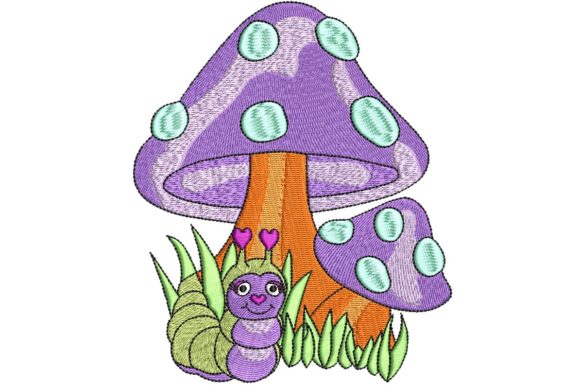
Gnome Home 1: A Designer’s Review for Boutique Sweatshirts
As an embroidery designer who has spent years refining digitizing techniques for small clothing brands, I approach every new machine embroidery design with a critical eye. It is not just about whether the file opens correctly; it is about how that design translates onto fabric, how it holds up after washing, and most importantly, how it elevates the perceived value of the final garment. Recently, I evaluated Gnome Home 1, a charming piece from the Forest category, to determine its viability for a premium sweatshirt collection I am developing for a boutique client.
The product description markets this as an excellent choice for kitchen towels, aprons, pot holders, and oven mitts. While these are traditional applications, my goal was to push the boundaries and test its potential on heavier apparel. The description notes that this lovely embroidery will look great on any fabric or clothes it will be stitched on. This versatility is promising, but applying a design intended for home textiles to a structured sweatshirt requires careful consideration of scale, density, and placement.
First Impressions and Design Personality
Upon loading the embroidery file into my software, the immediate impression is one of rustic warmth. The layout suggests a playful yet cozy aesthetic, perfectly aligned with current trends in cottagecore and hygge-inspired fashion. For a boutique brand looking to capture a specific mood, Gnome Home 1 delivers a narrative element that simple logos often lack. It feels decorative and inviting, leaning heavily into a cute, whimsical vibe rather than a bold or minimalistic one.
The detail level appears sufficient for standard commercial machines, but because it is designed for items like dish clothes and towels, the stitch structure may be optimized for terry cloth or cotton weave rather than the fuzzy texture of fleece or French terry. This distinction is crucial. When stitching on a smooth towel, fine details pop. On a textured sweatshirt, those same details can get lost if the stitch density is too low or if the thread color does not provide enough contrast against the fabric.
Adapting Gnome Home 1 for Apparel
For this project, I tested the design on several variations of neutral sweatshirts. On a cream-colored, oversized hoodie, the design felt soft and approachable. The earthy tones typically associated with forest-themed embroidery blended seamlessly with the pastel backdrop, creating a handmade product feel that appeals to Etsy sellers and conscious consumers. However, when placed on a dark charcoal or black sweatshirt, the visibility of the design depended entirely on the thread colors chosen. Without high-contrast threads, the intricate parts of the gnome motif risked disappearing into the dark fabric.
I also experimented with placement. While the chest is the standard location for hoodie design elements, Gnome Home 1 offered interesting possibilities for sleeve accents. A smaller version of the design on the left cuff added a subtle touch of personality without overwhelming the garment. For back designs, however, the original size might feel too small unless scaled up significantly. If you plan to enlarge it, you must check the stitch count and density to ensure the machine can handle the increased area without causing puckering or thread breaks.
Technical Considerations for Commercial Use
Before running a full production batch for a small shop product line, there are several technical factors to address. Since the description mentions this machine em—likely cutting off "embroidery" or "machine embroidery"—we do not have explicit data on the exact hoop size or recommended stabilizer. As a professional, I always recommend testing on a scrap piece of your actual garment fabric first.
- Stabilizer Choice: Sweatshirts are thick and stretchy. A cut-away stabilizer is usually best to prevent distortion, especially if the design has any satin stitches that pull on the fabric.
- Fabric Texture: The looped surface of fleece can hide fine stitches. Ensure your needle is sharp enough to penetrate without damaging the fibers, and consider using a topping if the fabric is particularly plush.
- Washing Durability: Apparel undergoes more stress than kitchen towels. Verify that the thread used is polyester or rayon rated for frequent washing to maintain the vibrancy of the finished product.
Another concern is the hoop size. If the design is large, you may need a 5x7 or larger hoop. Always confirm the dimensions in your digitizing software before purchasing or downloading the digital embroidery file. For commercial embroidery, consistency is key. If the design shifts or puckers on one unit, it affects buyer trust and brand identity. A flawless execution signals quality, while poor stitching can lead to returns and negative reviews.
Enhancing Brand Value and Visual Recognition
In the competitive world of custom apparel, unique design assets set you apart. Using Gnome Home 1 allows a boutique brand to create a cohesive seasonal collection. Imagine pairing these embroidered sweatshirts with matching tote bags or beanies featuring the same motif. This cross-product consistency strengthens visual recognition and encourages customers to buy multiple items.
For Etsy sellers, the presentation is everything. A well-executed embroidery job looks exceptional in printable mockup previews and lifestyle product photography. The texture of the thread against the soft sweatshirt fabric adds depth to images, making the listing more engaging. Customers are drawn to the tactile promise of a handmade item, and a well-chosen design like this reinforces that perception.
Furthermore, this type of design fosters customer engagement. It is conversational; people notice the gnome, smile, and perhaps share a photo on social media. This organic marketing is invaluable for small businesses. It transforms a basic garment into a statement piece that reflects the wearer’s personality and the brand’s creative ethos.
Final Verdict for Designers
Gnome Home 1 is a versatile asset that transcends its initial categorization as home decor embroidery. With proper technical adjustments, it serves as a delightful addition to a boutique sweatshirt line. It brings a sense of warmth and whimsy that resonates with current fashion trends. However, success lies in the execution. Pay close attention to thread contrast, stabilizer support, and placement scale.
Remember to verify all technical specifications, such as file format compatibility and license terms, before starting production. If the design is cleared for commercial use, it offers a strong opportunity to enhance your product value and differentiate your brand in a crowded market. Whether you are an experienced apparel decorator or a crafter launching your first online store, taking the time to test and refine this design will pay off in the quality of your finished product.
By treating each stitch with intention and understanding the interplay between design and fabric, you can turn a simple digital file into a coveted piece of wearable art. Let Gnome Home 1 be the starting point for your next creative endeavor, ensuring that every hoodie and sweatshirt you produce tells a story of quality and care.