Chestnut Leaf: Elevating Boutique Sweatshirts with FSL
As an embroidery designer who spends countless hours digitizing and testing files for boutique apparel, I am always on the lookout for designs that bridge the gap between traditional craft aesthetics and modern streetwear trends. Recently, I came across Chestnut Leaf, a machine embroidery design available on Creative Fabrica that immediately caught my eye. While the product description highlights its potential as spring table decor or cute summer mug rugs, my professional instinct kicked in to evaluate its viability for high-end custom apparel.
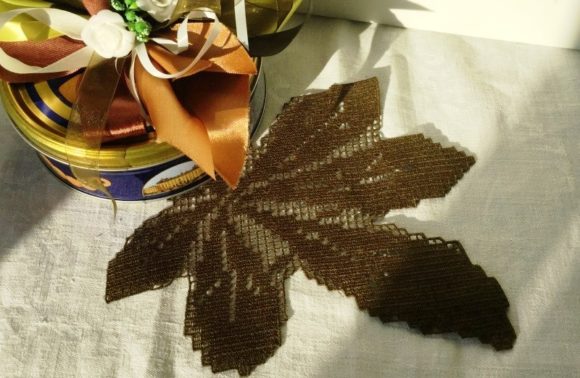
The design is categorized under Forest, which makes sense given the organic subject matter, but its application extends far beyond seasonal home decor. This Free Standing Lace (FSL) piece mimics the delicate look of handmade filet lace, offering a texture and visual depth that standard satin stitch designs often lack. For those of us running small clothing brands or Etsy shops, finding unique digital embroidery files that stand out in a saturated market is crucial. Here is my detailed review of how Chestnut Leaf performs when translated from a decorative accent to a central feature in a boutique apparel collection.
Visual Personality and Stitching Mood
The first impression of Chestnut Leaf is one of refined elegance. Unlike bold, blocky logos or dense fill-stitch graphics, this design relies on the airy, open structure characteristic of filet lace. The stitching mood is inherently feminine yet rustic, striking a balance that works surprisingly well on contemporary garments. It feels premium and handmade, avoiding the cheap, mass-produced look that can sometimes plague lower-quality embroidery files.
The detail level is intricate without being overly dense. This is a critical factor for apparel. High-density designs can make fabric stiff and uncomfortable, especially on items like hoodies or t-shirts where drape and softness are key selling points. Chestnut Leaf maintains a light touch, allowing the fabric texture to remain visible through the open spaces of the lace. This decorative strength adds value without adding weight, making it ideal for oversized garments where you want visual interest without bulk.
Apparel Applications and Placement Strategy
When planning a sweatshirt embroidery project, placement is everything. I envision Chestnut Leaf working beautifully in several specific areas on custom apparel:
- Hoodie Chest Placement: Centered on the left chest, this design acts as a subtle brand marker or decorative accent. On pastel hoodies or neutral sweatshirts, the lace effect creates a sophisticated focal point that draws the eye without overwhelming the garment.
- Sleeve Accents: Placing a smaller version of the leaf on the upper sleeve of a denim jacket or oversized sweater adds a trendy, unexpected detail. This is particularly effective for boutique brands looking to create signature styles.
- Back Designs: For a bolder statement, scaling up the design for the upper back of a hoodie can create a stunning visual impact. The filet lace look translates well to larger scales, maintaining its integrity and elegance.
- Tote Bag Design: Beyond apparel, this design shines on canvas tote bags. The contrast between the sturdy fabric and the delicate lace embroidery creates a compelling tactile experience for the customer.
For t-shirt embroidery, caution is advised regarding fabric stability. Since this is an FSL design, it requires a stable base or careful hooping. However, on heavier cotton tees or blended fabrics, it can add a unique textural element that distinguishes your finished product from competitors using standard prints or simple stitches.
Navigating Technical Challenges on Stretchy Fabrics
Working with Free Standing Lace on apparel requires a keen understanding of stabilizer choice and fabric behavior. Sweatshirts and hoodies are often made from fleece or ribbed fabric, which can be challenging for intricate designs. The open nature of Chestnut Leaf means it relies on the stability of the surrounding area or the backing to hold its shape.
Before committing to a full production run, I strongly advise testing on scrap fabric that matches your intended garment material. Check the stitch density in your embroidery software if possible, or run a test stitch-out to ensure the threads do not pull or pucker the fabric. For dark garments, thread color contrast is vital. A cream or gold thread on a charcoal hoodie will highlight the filet lace structure, while a monochromatic approach (e.g., dark green on forest green) offers a subtle, tonal sophistication.
Curved surfaces, such as the shoulder or sleeve cap, require careful hooping. Ensure your hoop size is appropriate for the design dimensions. If the design is too large for your standard hoop, you may need to split it or choose a different placement. Always confirm hoop size and machine compatibility details in the Creative Fabrica product listing before purchasing, as these specifics are not always uniform across all designers.
Enhancing Brand Identity and Commercial Value
Incorporating unique elements like Chestnut Leaf into your commercial embroidery products can significantly enhance your brand identity. Buyers today are increasingly drawn to items that feel artisanal and thoughtful. The handmade product aesthetic achieved through this lace-like embroidery builds buyer trust and perceived value. It signals that attention to detail was paid, justifying a higher price point for your small shop product.
From a marketing perspective, this design lends itself beautifully to lifestyle product photos and printable mockups. The texture photographs well, allowing you to create engaging social media graphics that highlight the craftsmanship. For Etsy sellers, showcasing the intricate details of the embroidery in close-up shots can drive customer engagement and differentiate your listings from those using generic clipart or simple text-based designs.
Practical Designer Notes for Production
To ensure the best results with Chestnut Leaf, keep these practical tips in mind:
- Test on Similar Garment Fabric: Never skip the test stitch. Fleece behaves differently than cotton, and ribbing behaves differently than jersey. Understand how your specific fabric interacts with the FSL structure.
- Review Thread Color Contrast: Experiment with different thread colors to see which best highlights the filet lace effect. Metallic threads can add a festive touch, while matte cotton threads offer a rustic, natural look.
- Check Licensing Terms: Before selling finished apparel, always review the license included with the digital embroidery file. Most Creative Fabrica designs allow for commercial use of finished physical products, but it is essential to confirm this to protect your business.
- Inspect Stitch Density: If you have access to the source file, check the density. If it seems too heavy for lightweight fabrics, consider adjusting the underlay or choosing a heavier garment base.
In conclusion, Chestnut Leaf is a versatile and aesthetically pleasing addition to any embroidery designer’s library. While marketed initially for home decor, its potential in the boutique apparel sector is significant. By understanding the technical requirements of FSL and strategically placing the design on suitable garments, you can create standout pieces that resonate with customers seeking quality and uniqueness. Whether you are designing for a spring collection or a cozy winter line, this Forest-inspired motif offers a timeless elegance that elevates the perceived value of your custom apparel.