Review: Heart Shaped Mandala Design Redwork
As a designer who has spent countless hours staring at digitizing software and even more time watching needles punch through fabric, I have developed a keen eye for what works in the real world. We often get swept up in the visual appeal of a machine embroidery design on a screen, but the true test is how it translates to thread and fabric. Recently, I pulled up the Heart Shaped Mandala Design Redwork to evaluate its potential for upcoming client projects and my own small shop inventory. What follows is a practical breakdown of how this design performs, where it shines, and what you need to watch out for before you hit start.
First Impressions and Visual Mood
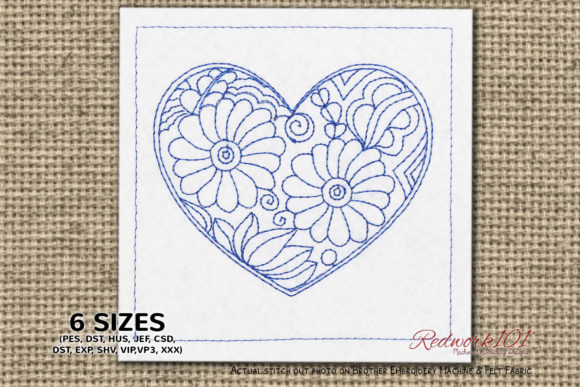
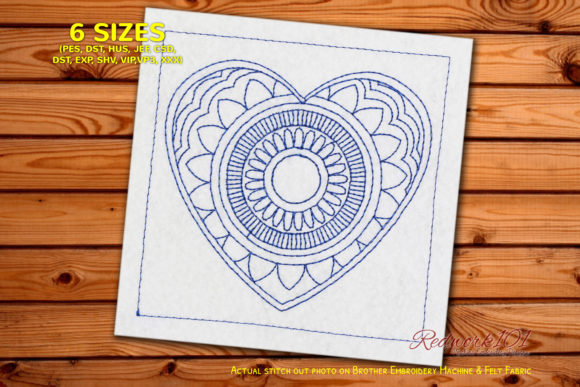
The immediate appeal of the Heart Shaped Mandala Design Redwork lies in its balance between intricate detail and clean execution. Redwork, traditionally done in a single color, relies heavily on line weight and spacing to create depth. This design manages to capture the symmetrical complexity of a mandala while confining it within the universally recognized shape of a heart. It feels romantic without being overly saccharine, making it a versatile choice that extends beyond just Valentine S Day. The mood is calm, focused, and artisanal. It suggests a level of care that customers associate with high-quality handmade product offerings.
From a layout perspective, the symmetry is crucial. In embroidery, asymmetry can sometimes look like a mistake if not intentional, but here, the radial balance draws the eye to the center. This makes it an excellent candidate for items where the center point is the focal area, such as the chest of a shirt or the middle of a pillow cover.
Real-World Application Scenarios
To truly understand the value of an embroidery file, I mentally place it on various substrates. I recently considered this design for a custom order of canvas tote bags. The open nature of redwork—typically using running stitch or light satin stitch elements rather than dense fill stitch—is perfect for canvas. It doesn’t weigh down the fabric or cause puckering, which is a common issue with heavier designs on flexible materials.
Beyond totes, I see strong potential in sweatshirt embroidery. A crewneck sweatshirt provides a stable, thick surface that can handle the stitch count comfortably. Placing this mandala heart on the left chest creates a subtle, boutique-style branding element. It is understated enough for daily wear but detailed enough to spark conversation. For baby embroidery, such as on a muslin swaddle or a cotton onesie, the design works well provided you scale it down appropriately. The lack of dense fill areas means the fabric remains breathable and soft against sensitive skin.
For those running an Etsy seller account or a craft business, this design offers versatility. It fits seamlessly into categories for wedding gifts, anniversary presents, or self-care packages. Because it is not overly seasonal despite the heart motif, you can market it year-round as a symbol of love, mindfulness, or balance, expanding your small shop product range beyond February.
Technical Considerations and Fabric Choices
While the design is robust, there are specific scenarios where caution is required. The description notes that the box stitch shown in promotional pictures is optional and that the outer box color may vary. This is a critical detail. If you are stitching on dark fabric, ensure you adjust your thread colors for maximum contrast. Redwork traditionally uses red thread on white fabric, but modern interpretations allow for any color. However, if you choose a thread color too similar to your fabric, the intricate lines of the mandala will vanish.
Stitch density is another factor. Although redwork is generally lighter than fill-heavy designs, the complexity of a mandala means there are many direction changes and stops. On stretchy fabrics like jersey knits, you must use a high-quality cut-away stabilizer to prevent distortion. Without proper stabilization, the circular symmetry of the mandala could warp into an oval during washing.
Be mindful when using this on curved surfaces like caps. The flat nature of the design might require additional underlay or a different hooping technique to ensure it lays flat on the front panel of a hat. Also, avoid placing it too close to seams or zippers, as the hoop might not secure the area properly, leading to misalignment.
Enhancing Product Value and Brand Consistency
Using a well-digitized design like the Heart Shaped Mandala Design Redwork directly impacts perceived value. Customers can spot poor digitizing from a mile away—jump stitches, loose threads, and distorted shapes kill trust. This design, when stitched correctly, exudes professionalism. It signals that the creator cares about precision. For commercial embroidery projects, this consistency helps build brand recognition. If you use this design across a line of products—say, on aprons, tea towels, and patches—it creates a cohesive visual identity.
Furthermore, the design lends itself well to printable mockup creation. Because the lines are clean and distinct, it renders beautifully in digital previews, helping potential buyers visualize the finished product before purchasing. This can significantly boost buyer engagement and conversion rates for digital embroidery file sellers or those selling physical goods online.
Practical Designer Notes for Best Results
Before committing to a full production run or a client piece, always follow these steps:
- Test on Scrap Fabric: Never skip this. Stitch the design on the exact same type and weight of fabric you plan to use for the final item. Check for puckering or thread breaks.
- Check Thread Contrast: View your test stitch-out from a distance. Can you clearly see the mandala details? If not, switch to a higher contrast thread color.
- Verify Hoop Size: Ensure the design fits comfortably within your hoop with adequate margin for clamping. Do not crowd the edges.
- Inspect Small Details: Look closely at the inner parts of the mandala. Are the stitches too small for your machine’s needle to handle reliably? If so, consider simplifying or enlarging the design.
- Review Licensing: If you plan to sell items made with this design, confirm the license terms. Most designers allow commercial use for physical items but restrict the resale of the design assets themselves.
- Optional Box Stitch: Decide early whether to include the optional box stitch. If your fabric frays easily, the box might help contain the area, but if you want a cleaner, floating look, skip it as suggested in the product notes.
In conclusion, the Heart Shaped Mandala Design Redwork is a thoughtful addition to any designer’s library. It balances aesthetic beauty with technical practicality, making it suitable for a wide range of embroidery project types. Whether you are creating a personalized gift for a loved one or stocking your online store with unique custom apparel, this design offers the reliability and charm needed to succeed. Just remember to respect the material, choose your stabilizer wisely, and let the symmetry of the mandala do the talking.