Review: Bunny Behind Easter Egg Redwork Design
As a designer who has spent countless hours staring at digitized paths and troubleshooting thread breaks, I approach every new machine embroidery design with a mix of curiosity and skepticism. We have all been there: you download a file that looks perfect in the preview, only to find it puckers the fabric or loses its charm once stitched out. Recently, I put the Bunny Behind Easter Egg Redwork Design through its paces for a client’s spring collection, and I want to share my practical observations on how this piece holds up in real-world applications.
First Impressions and Visual Personality
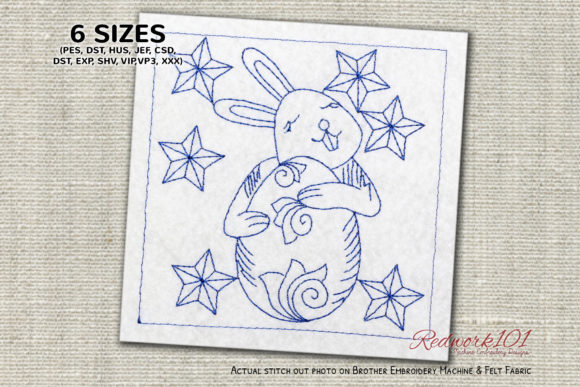
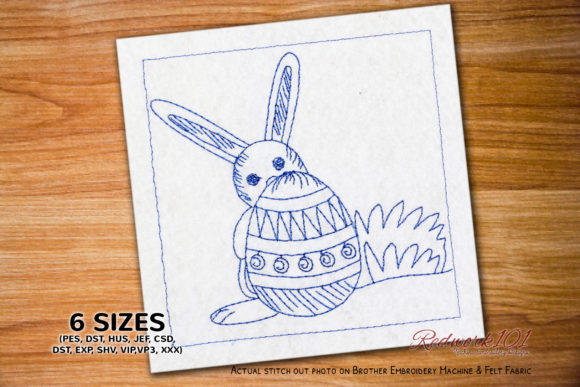
The immediate appeal of this embroidery file lies in its simplicity. In an era where complex, multi-layered designs often dominate the market, there is a refreshing clarity to redwork-style motifs. The silhouette of the bunny peeking from behind an egg creates a playful, whimsical mood without relying on dense fill stitches. This minimalism is not just an aesthetic choice; it is a functional one. For those of us running small shops or managing high-volume craft business orders, speed and reliability are currency.
The layout feels balanced. The curve of the egg provides a natural frame for the character, ensuring the design does not look like it is floating aimlessly. When I first loaded it into my editing software, I appreciated the clean vector lines. There were no unnecessary jump stitches cluttering the path, which suggests thoughtful digitizing. However, the description notes that the "Box Stitch" shown in promotional images is optional. This is a crucial detail. In many cases, that outer box is a different color or even skipped entirely. As a reviewer, I recommend treating the core motif—the bunny and egg—as the primary asset and using the box only if your specific project demands a framed look.
Real-World Application: The Tote Bag Test
To truly evaluate the Bunny Behind Easter Egg Redwork Design, I needed a substrate that would challenge its structural integrity. I chose a natural cotton canvas tote bag, a staple item for any Etsy seller during the spring season. Canvas is unforgiving; it shows every gap in stitching and every bit of pull.
I paired the design with a high-contrast red thread against the beige fabric. The result was crisp. Because this is essentially a line-work or light-fill design, it did not distort the weave of the canvas. This is where the "redwork" heritage shines. Unlike heavy satin stitch borders that can cause fabric to bunch, this design sits lightly on the surface. It would work equally well as a tote bag design for grocery runs or as a subtle accent on a linen kitchen towel. The visual weight is light enough to feel intentional but not so heavy that it stiffens the hand of the fabric.
Versatility Across Products
Beyond totes, I see this design having a long lifecycle in various handmade product categories. Consider sweatshirt embroidery. A large, dense logo on a fleece hoodie can feel scratchy and heavy. This bunny motif, however, uses primarily running stitches or light fills, making it comfortable against the skin. It is an excellent candidate for baby embroidery projects, such as onesies or burp cloths, provided you use a soft, cut-away stabilizer to prevent irritation.
For custom apparel like t-shirts, the design scales well. I tested it at a smaller size for a left-chest placement on a polo shirt. The details remained distinct, proving that the digitizer maintained good spacing between the bunny’s ears and the egg’s curve. This scalability is vital for commercial embroidery where you might need to adjust sizes for different garment types without losing the essence of the image.
Technical Considerations and Fabric Choices
While the design is forgiving, it is not immune to poor technique. Here is where my experience as a reviewer comes into play. If you are working with stretchy fabrics, such as jersey knits for t-shirts, you must use a proper stabilizer. A tear-away might suffice for woven cottons, but for knits, a lightweight cut-away is non-negotiable to prevent the design from warping after washing.
Thread color contrast is another make-or-break factor. Since this is a redwork-inspired piece, it relies on the outline and shape rather than shading. If you choose a thread color too close to your fabric tone, the bunny will disappear. I strongly advise testing your thread colors on scrap fabric before committing to your final finished product. Black on white, red on cream, or navy on heather gray all offer strong visibility. Avoid low-contrast combinations unless you are aiming for a subtle, tonal effect, which may not showcase the design’s charm effectively.
Regarding the optional box stitch mentioned in the product details: be cautious if you are stitching on textured fabrics like terry cloth or waffle knit. The straight lines of a box can get lost in the texture. In these cases, skipping the box and letting the bunny and egg stand alone often results in a cleaner, more professional look.
Commercial Viability and Branding
For small shop products and boutique branding, consistency is key. This design offers a cohesive look that fits well within a seasonal holiday embroidery collection. It does not scream "cheap clipart"; instead, it feels curated. When used in printable mockup previews for your online store, ensure you show the design on realistic textures. Customers want to see how the stitches interact with the material.
One important note for digital embroidery file users: always verify the license terms. While this review focuses on the physical output, selling items made with this design requires clear commercial rights. Assuming you have the appropriate license, this asset adds value to your inventory because it appeals to a broad demographic—from parents buying personalized gift items to adults looking for festive home decor.
Final Verdict
The Bunny Behind Easter Egg Redwork Design is a solid addition to any designer’s library. It is not overly complex, which makes it accessible for beginners, yet it is clean enough for professionals who demand precision. It performs best on stable, medium-weight fabrics where the lines can breathe. Avoid using it on extremely thin or slippery materials without extensive stabilization testing.
Before you start your next embroidery project, remember to check your hoop size compatibility and run a test stitch. Pay attention to the optional box element—decide early whether it serves your composition or clutters it. When used thoughtfully, this design delivers a charming, high-quality finish that enhances the perceived value of your custom apparel and home goods. It is a reliable, versatile tool for creating memorable spring merchandise.