Pretty Butterflies 6: A Designer’s Honest Review
As an embroidery designer who spends countless hours digitizing and stitching out files for clients, I have developed a keen eye for what makes a machine embroidery design truly viable for commercial use. It is not just about how pretty the preview image looks on a screen; it is about stitch path efficiency, thread tension management, and how the final finished product holds up after washing. Recently, I took a close look at Pretty Butterflies 6 from Creative Fabrica to determine if it deserves a spot in my active project library.
First Impressions and Visual Appeal
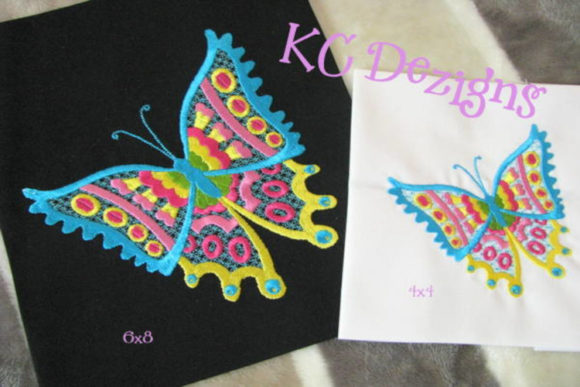
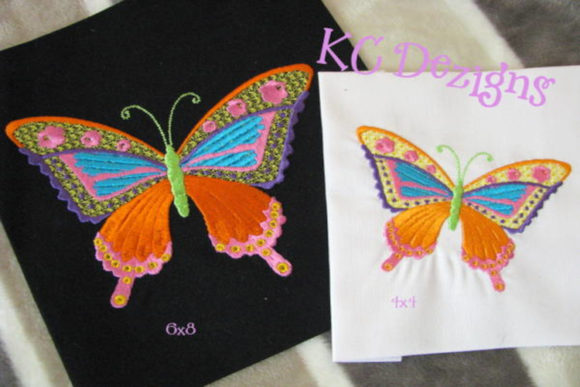
The moment I opened the file details for Pretty Butterflies 6, the visual mood struck me as whimsical yet refined. In the world of Bugs and nature-inspired Embroidery, there is a fine line between cartoonish and elegant. This design leans toward the latter, offering a gorgeous butterfly motif that feels organic rather than rigid. The decorative appeal is immediate, suggesting a lightness that works beautifully on home decor and apparel alike.
For those of us selling on Etsy or at local craft fairs, visual appeal is half the battle. A design must pop in product photography while maintaining clarity when viewed in person. Pretty Butterflies 6 offers a level of detail that suggests high-quality digitizing, with smooth curves that hint at well-placed satin stitch borders and balanced fill stitch areas. It does not look like a low-effort auto-digitized file, which is a major green flag for professional use.
Real-World Application for Handmade Businesses
When evaluating a new embroidery file, I always ask myself where it can be applied to maximize revenue. The product description for Pretty Butterflies 6 suggests versatility, mentioning cushion covers, placemats, kitchen towels, and t-shirts. From my experience, this adaptability is crucial for small business owners who need to stretch their design assets across multiple product lines.
Apparel and Custom Gifts
I immediately envisioned this design on a tote bag design or a lightweight sweatshirt embroidery project. The butterfly motif is timeless, making it an excellent choice for spring collections or personalized gifts. For custom apparel, the design’s scale seems appropriate for placement on the chest pocket area of a shirt or the hem of a tote. It adds a touch of boutique merchandise quality without overwhelming the garment.
Furthermore, this design could serve as a stunning element for nursery decor. Imagine it stitched onto a baby blanket or a pillow cover. The gentle nature of the butterfly appeals to parents looking for soft, non-gendered themes. As a personalized gift, it pairs well with monograms, allowing customers to add a name beneath the wings, increasing the perceived value of the item.
Home Decor and Kitchen Textiles
Kitchen towels and aprons are staple items for handmade shop owners. Pretty Butterflies 6 fits naturally here. Stitching this onto a flour sack towel creates an instant bestseller. The key is ensuring the stitch density is not too high, which could cause puckering on thin cotton. Based on the visual complexity, it appears balanced, but testing is always required.
Technical Considerations for Professional Stitching
While the aesthetic is promising, the technical execution determines whether a design is a headache or a joy to stitch. Here are the practical factors I consider when reviewing Creative Fabrica embroidery products for real customer orders.
- Fabric Compatibility: This design likely performs best on stable woven fabrics like cotton, linen, or canvas. For stretchy fabrics such as t-shirt jersey, a cut-away stabilizer is non-negotiable to prevent distortion.
- Stabilizer Selection: Given the potential for satin stitch elements in the wings, using a medium-weight cut-away stabilizer will provide the necessary support, especially if the item will undergo frequent washing.
- Thread Color Contrast: To make the butterfly pop, choose thread colors that contrast sharply with the base fabric. On dark fabrics, ensure the underlay stitches are sufficient to prevent the fabric color from showing through the top stitches.
- Hoop Size: Always confirm the hoop size requirements before starting. While butterflies can be small, ensure your hoop accommodates the full design without needing to re-hoop, which can lead to alignment issues.
One critical aspect of any digital embroidery file is how it handles curved surfaces. If you plan to use this on caps or curved patches, the design must be tested for pull compensation. Dense areas can cause fabric shrinkage, so checking the stitch path for efficient travel is essential.
Enhancing Product Value and Brand Consistency
Using high-quality designs like Pretty Butterflies 6 directly impacts buyer trust. When customers receive a handmade product with clean, crisp stitching and no loose threads or puckering, they are more likely to leave positive reviews and return for future purchases. This design contributes to brand consistency by offering a polished look that aligns with professional standards.
For those creating printable mockup listings, this design offers great visual interest. It allows you to showcase the texture of the threads and the intricacy of the work, which drives customer engagement online. Whether you are selling the physical handmade product or using the design for commercial embroidery services, the perceived quality of the stitch-out matters.
Practical Steps Before You Stitch
Before committing to a large batch of production, follow these steps to ensure success with Pretty Butterflies 6:
- Test on Scrap Fabric: Always stitch a test sample on the same type of fabric you intend to use for the final product. This helps you identify any tension issues or density problems.
- Check File Details: The product description mentions multiple embroidery files. Verify the formats included (such as PES, DST, or JEF) to ensure compatibility with your specific machine.
- Review Licensing: If you plan to sell finished items, confirm the license terms on the Creative Fabrica product page. Most designs allow for commercial use of physical goods, but it is vital to be certain.
- Inspect Small Details: After stitching, inspect the tiny details of the butterfly wings. Ensure there are no jumps or loose ends that need trimming, which can affect the longevity of the item.
In conclusion, Pretty Butterflies 6 presents itself as a versatile and aesthetically pleasing addition to any embroidery designer’s toolkit. Its potential applications range from custom apparel to home decor, making it a valuable asset for creative entrepreneurs. By paying attention to stabilizer choices and fabric types, you can leverage this design to create high-quality, marketable products that resonate with customers. Always remember to check the specific technical details provided in the download package to ensure a smooth stitching experience.