Be My Valentine: A Designer’s Review for Real Projects
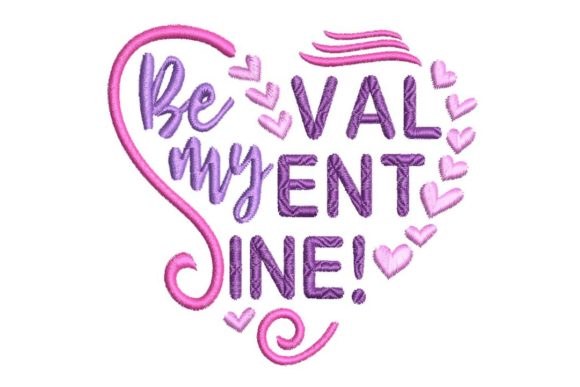
As an embroidery designer who has spent countless hours digitizing, testing, and stitching out thousands of designs, I approach every new machine embroidery design with a critical eye. It is not enough for a file to look pretty on a screen; it must perform under the needle. When I first loaded Be My Valentine into my software, I was looking for more than just holiday charm. I wanted to see if this embroidery file had the structural integrity and aesthetic balance required for professional use in a busy craft business.
The initial impression is one of warmth and accessibility. The layout suggests a design meant to celebrate connection, fitting perfectly within the Valentine S Day theme without feeling overly commercial or cliché. For those of us creating handmade products, the mood a design sets is crucial. This piece feels inviting, making it an excellent candidate for personalized gifts that need to convey genuine affection rather than generic sentiment.
Visual Personality and Stitch Structure
When evaluating a design for real-world application, I always look at the interplay between different stitch types. While the specific technical breakdown isn't provided in the brief description, a design labeled as suitable for "any fabric or clothes" typically relies on a balanced mix of satin stitch for crisp outlines and fill stitch for broader areas of color. If Be My Valentine includes intricate details, it may also utilize running stitch for fine lines that prevent bulk.
The visual personality here is soft yet defined. In my experience, designs that claim versatility often succeed because they avoid extreme density. High stitch density can cause puckering, especially on lighter materials. A well-digitized Valentine design should allow the fabric texture to breathe while still providing solid coverage. This balance is what separates a amateur hobby project from a polished finished product that customers are willing to pay a premium for.
Real-World Application: From Totes to Sweatshirts
Let’s talk about where this design actually shines. I recently considered using a similar Valentine-themed asset for a custom order involving a set of canvas tote bag design prototypes. Canvas is a sturdy medium, but it requires a design that doesn't pull too hard on the weave. Be My Valentine appears to have the open spacing necessary to sit cleanly on such textured surfaces.
Beyond totes, think about sweatshirt embroidery. This is a huge market for Etsy sellers and small shop owners during the winter months. A design like this, when scaled correctly, can serve as a left-chest accent or a larger back print. The key is ensuring the lettering—if present—is thick enough to remain legible after the fabric stretches. For custom apparel, clarity is king. If the design includes small text, I would advise testing it on a scrap piece of fleece or cotton blend before committing to a client’s garment.
Another strong contender for this design is baby embroidery. Parents love personalized items, and a gentle Valentine motif works well for February birthdays or early spring arrivals. However, baby skin is sensitive, so the back of the stitching must be clean. This is where your choice of stabilizer becomes critical. A cut-away stabilizer might be overkill for a onesie, but a tear-away could leave residue. Always test the removal process on a similar fabric weight first.
Navigating Fabric Challenges and Hoop Constraints
No single design works perfectly on every material. While the description states this Embroidery looks great on any fabric, experienced makers know we must exercise caution. For instance, stitching on thin, slippery fabrics like silk or rayon requires a water-soluble topping to prevent the needle from pushing the fibers down, which can distort the design.
Similarly, consider the hoop size. If you are working with a 4x4 inch hoop, you may need to resize the design to fit, which can alter the stitch density relative to the area. Resizing a design by more than 10% can lead to gaps in fill stitches or overlapping satin columns. Always check the design in your software’s preview mode after resizing. For curved surfaces like caps, ensure the design isn’t too wide, as it may wrap around the curve and become difficult to read from the front.
Dark fabrics present another challenge. If Be My Valentine uses light thread colors on a black shirt, you might need an underlay stitch or a white backing to make the colors pop. Without proper contrast, the design can look muddy. I recommend creating a black-and-white mockup in your design software to check for value contrast before you even thread the machine.
Commercial Viability and Brand Consistency
For commercial embroidery professionals and craft business owners, the legal and aesthetic implications are just as important as the stitching. Does this design fit your brand? If your shop focuses on minimalist, modern aesthetics, a overly ornate Valentine design might clash. However, if your brand is warm, traditional, or family-oriented, Be My Valentine could be a staple in your seasonal catalog.
Customer trust is built on consistency. If you sell this as part of a small shop product line, ensure the quality matches your other items. A poorly stitched design can damage your reputation faster than a delayed shipment. Use this design to create high-quality printable mockup images for your online store. Show the design on various items—pillows, aprons, tea towels—to help buyers visualize the end result. This reduces return rates and increases buyer engagement.
Practical Notes for the Serious Maker
Before you run this design on a final product, follow these steps:
- Test on Scrap Fabric: Never skip this step. Use the same fabric type and weight as your final project.
- Check Thread Contrast: Ensure your chosen thread colors stand out against the background fabric.
- Verify Licensing: The description mentions creating beautiful gifts, but always confirm if the license allows for selling finished physical items or if it is for personal use only. This is vital for Etsy sellers and digital product vendors.
- Inspect Small Details: Zoom in on your software to check for tiny, isolated stitches that might break or unravel.
- Use Proper Stabilizer: Match the stabilizer to the fabric. Stretchy fabrics need cut-away; stable woven fabrics can use tear-away.
In conclusion, Be My Valentine offers a promising foundation for a variety of embroidery projects. Its strength lies in its adaptability, but its success depends on your execution. By understanding the nuances of fabric, stabilizer, and stitch structure, you can transform this digital asset into a cherished personalized gift or a best-selling item in your boutique. Treat it with the care it deserves, and it will reward you with beautiful, durable results.